
Online therapy throughout California and in-person in Redlands, CA
Relationship Counseling in Redlands for Women Who Are Tired of Working So Hard to Keep the Peace
When You Try So Hard and It Still Doesn't Work
You keep wondering why things keep landing the same way. You feel alone and discouraged even though you work so hard to keep everyone comfortable. You try to be easygoing and accommodating, yet it still feels like you are disappointing people. You ask yourself why you cannot seem to get this right — and why you react so strongly when you try so hard to stay calm.
One small comment throws everything off balance and you feel yourself spiraling. It is like all the pressure you have been holding in breaks loose at once. You react, shame rises, and you tell yourself you should have been able to hold it together.
You are tired of this pattern. Tired of feeling too much, too sensitive, or somehow wrong. Tired of being seen as the one who cannot manage her emotions. What hurts the most is the gap between how hard you try and how misunderstood you feel.
If this sounds familiar, you are not alone. Many women seeking relationship counseling in Redlands share this same mix of tenderness, overwhelm, and self-blame. They care deeply and feel deeply — and they have spent years believing that this depth makes them difficult to love.
Why Your Relationships Feel So Hard When You Care So Much

The patterns that make relationships feel exhausting usually didn't start in your adult relationships. They started much earlier — in environments where love felt conditional, where your needs were too much, or where keeping the peace meant learning to make yourself smaller.
Over time, your nervous system learned to stay alert. You became skilled at reading tone, expression, and silence. You learned to over-give, to anticipate needs, to swallow your own feelings to avoid conflict. These were smart adaptations. They helped you stay connected when connection felt uncertain.
But those same strategies now work against you. They keep you stuck in cycles of over-extending, resentment, emotional flooding, and self-abandonment — even when you desperately want something different.
This is not a character flaw. It is a pattern that can change.
Relationship Counseling in Redlands
I'm Kathy, a licensed therapist offering relationship counseling in Redlands, CA, with in-person sessions at my Redlands office and online therapy throughout California.
I specialize in working with women who worry they are too much for others, who exhaust themselves trying to manage everyone else's emotions, and who have spent years second-guessing themselves in relationships. Many of my clients are navigating relational anxiety, people pleasing, emotional reactivity, and the particular exhaustion of caring deeply while feeling chronically unseen.
My approach draws on somatic awareness, IFS-informed parts work, STAIR skills (Self-Trust and Integrated Resilience), and interpersonal neuroscience — not to make you calmer or easier, but to help you feel safer inside yourself so your relationships can actually change.
What Shifts as You Build Internal Safety
Therapy gives you space to slow down and understand what is actually happening inside you — beneath the reactions, the over-giving, the constant monitoring.
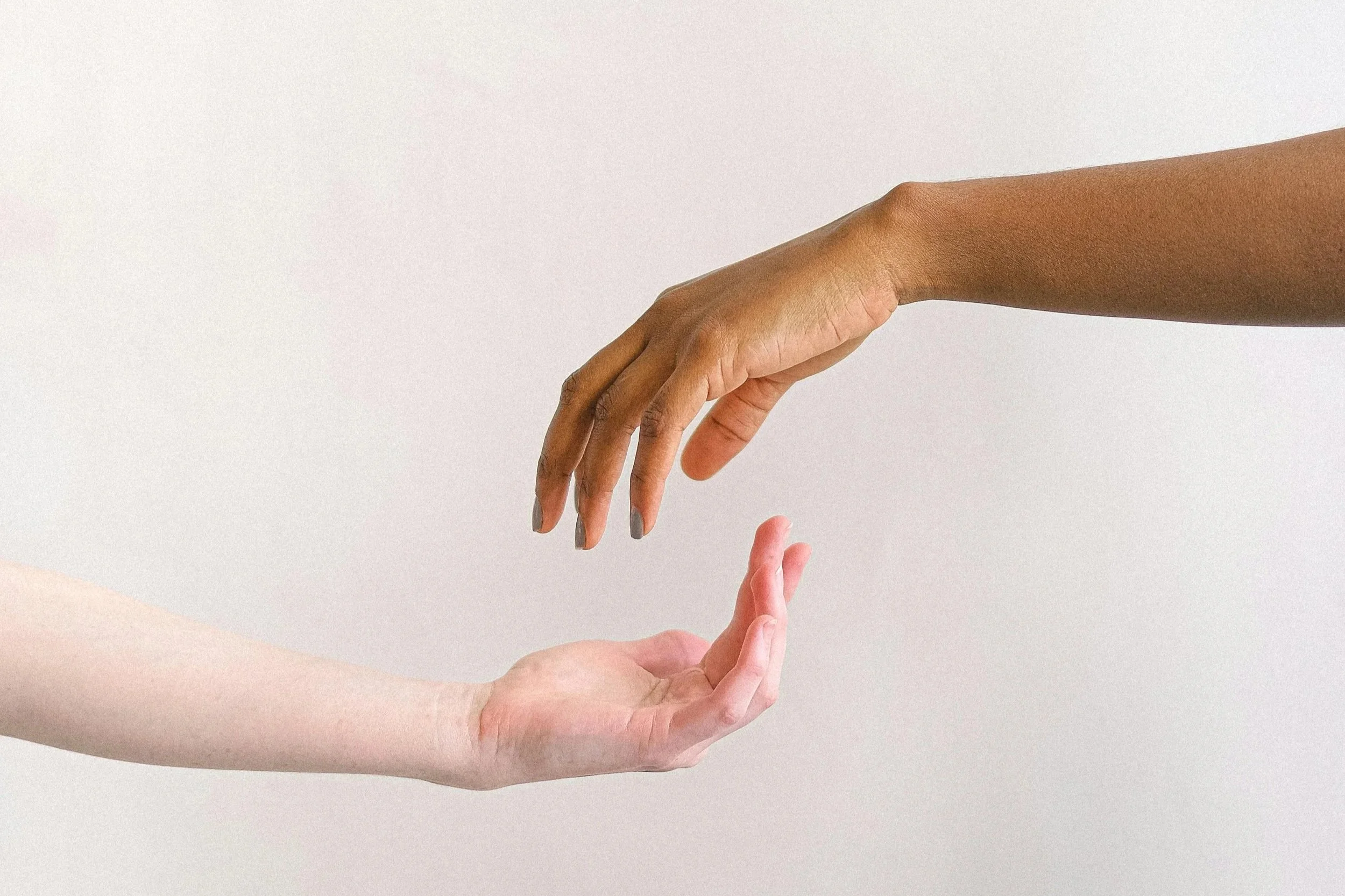
Together we explore the parts of you that learned to stay small or stay quiet in order to stay connected. We build internal safety so your emotions feel less like emergencies and more like information. You begin to recognize your own needs without guilt. You practice communicating without shrinking yourself. You learn what it feels like to stay connected to yourself even when a relationship feels tense or uncertain.
Over time, the constant scanning and second-guessing eases. Clients tell me they feel more grounded, more understood, and more able to breathe. They begin to trust that they have the capacity to build the steady, connected relationships they have always wanted — without abandoning themselves to get there.
Ready to stop working so hard to hold it all together? Schedule a free 20-minute consultation — no pressure, just a conversation to see if we're a good fit.
What Relationship Counseling Can Help With
Relationship counseling in Redlands can support you if you're navigating:
People pleasing and chronic over-giving
Fear of conflict or difficulty setting boundaries
Emotional reactivity or feeling flooded in difficult conversations
Anxiety about being too much or not enough
Patterns of self-abandonment in relationships
Feeling lonely or unseen even in close relationships
Recovering your sense of self after a difficult relationship
FAQS
What others have wondered about relationship counselling in Redlands
-
Relationship counseling can help with ongoing conflict, communication struggles, people pleasing, emotional reactivity, fear of abandonment, and feeling misunderstood or disconnected. Many clients come in feeling overwhelmed by relationships rather than focused on one specific problem.
-
No. Relationship counseling often focuses on your patterns, needs, and emotional responses, even if you are single or navigating dating. This work can support current relationships, future relationships, and your relationship with yourself.
-
Not necessarily. While some relationship work involves couples, this specialty page focuses on individual therapy for relationship concerns. Many people find that working on their own patterns leads to meaningful changes in their relationships.
-
Feeling like you are always at fault is common for people who are highly sensitive or have learned to prioritize others’ needs. Therapy helps unpack where this belief came from and builds a more balanced, compassionate understanding of your role in relationships.
Parts work allows us to meet the inner voices and protective strategies that have developed around your pain—like the part that says “just keep going,” or the part that believes your needs are too much. By bringing compassion to these parts, we create space for healing, integration, and greater emotional freedom.
-
Yes. We work with emotional responses like overwhelm, anger, anxiety, or numbness in a trauma informed way. Rather than trying to control or suppress emotions, therapy focuses on understanding and regulating them so they feel less disruptive.
-
That fear makes sense. Many people learned that conflict threatened connection. In therapy, we move slowly and focus on building internal safety first, so boundaries feel more manageable and less frightening over time.
-
If you feel stuck, overwhelmed, or lonely in your relationships, and you want to understand yourself with more clarity and compassion, relationship counselling may be a good fit. A consultation can help you decide without pressure.
More questions? Check out my FAQs page.


Somewhere underneath all the managing and monitoring and making yourself smaller — you are still there. Therapy is how we find our way back.
Relationship counseling can help you feel less alone and more grounded in how you show up with the people you love. When you're ready, support is here.